


By John Andres, FlameDetector.com
Lithium-ion batteries power our modern lives, from smartphones and laptops to e-bikes, electric scooters, and home energy storage systems. These compact, high-density power sources are now fixtures in our homes, particularly in garages where devices are charged and stored. But this convenience comes with a hidden danger: lithium-ion fires, which are fast, toxic, and increasingly common. In 2023, New York City reported over 250 fires linked to e-bikes and scooters, many in multi-family dwellings. The Fire Department of New York noted a 53% spike in lithium-ion battery fires in residential settings in early 2025 compared to 2024. Globally, these incidents have surged fivefold with similar trends in cities like New York and Surrey. Even recycling facilities face risks, with over 5,000 annual fires, many tied to discarded batteries.

Rethinking Fire Risk in the Age of Micro-Mobility
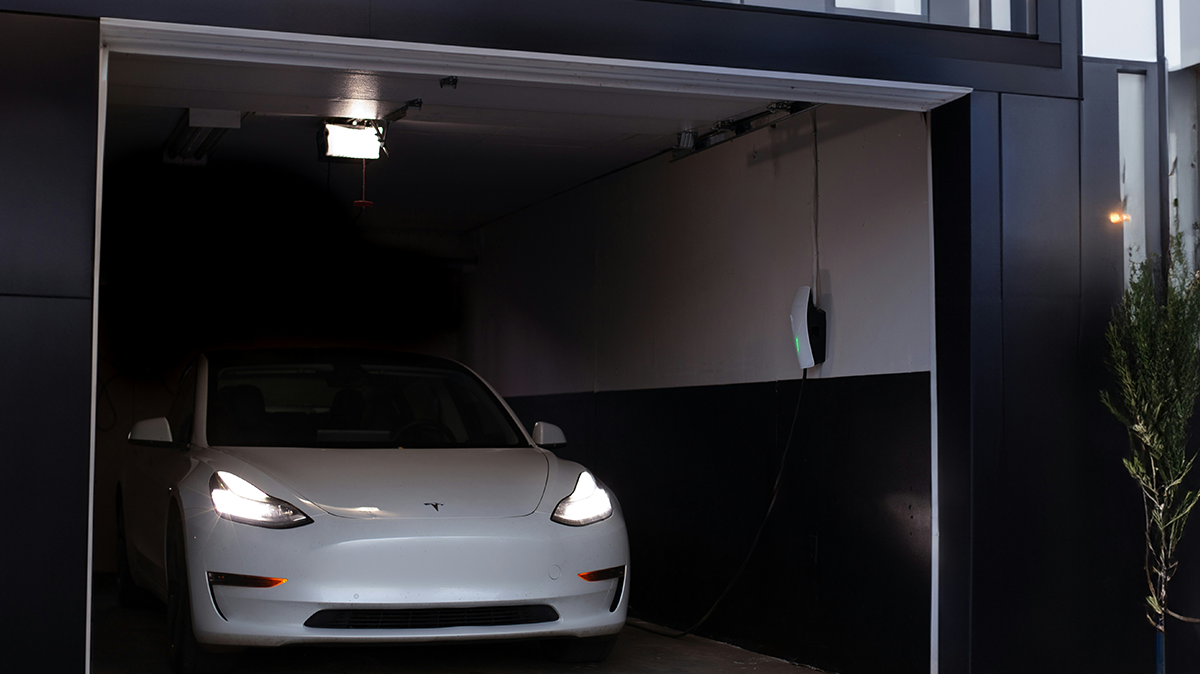
The proliferation of lithium-ion batteries has quietly reshaped the fire risk landscape. From e-bikes parked in apartment hallways to energy storage systems in garages, these devices are embedded in daily life, yet traditional fire protection strategies designed for conventional ignition scenarios are struggling to keep pace. Garages, often cluttered with flammable items like gasoline, paint, or tools, are particularly vulnerable. A damaged or overcharged battery can ignite, burning at temperatures up to 4,900°F far hotter than typical house fires and releasing toxic fumes like hydrogen fluoride that can incapacitate in minutes. These fires are relentless, often reigniting after suppression; some reports noted 15 reignitions in just three electric vehicle fire cases. In 2023, New York City saw 268 lithium-ion battery fires, causing 18 deaths and 150 injuries, largely from e-bikes. By 2024, non-structural fires—many starting in garages—jumped from 90 to 133. Over 25,000 fire or overheating incidents involving lithium-powered products were reported from 2013 to 2018, a number that’s grown with electric vehicle adoption. For families, the danger is stark: a garage fire can trap people asleep upstairs, with modern homes burning so fast that escape time shrinks to under three minutes.
The Detection Latency Problem
Traditional residential fire protection systems like smoke alarms, heat detectors, and sprinklers play a vital role in life safety, but they weren’t designed to rapidly detect the ignition signature of lithium-ion battery failures. Unlike slow-smoldering fires, these incidents often begin with thermal runaway, followed by rapid flame propagation and gas release. Detection latency which is the delay between ignition and alarm activation can span critical minutes, exposing occupants to toxic fumes or flashover conditions. This gap is especially concerning in high-density housing, where e-mobility devices are stored in shared spaces, and in homes with integrated energy systems lacking dedicated fire detection for battery locations. While 96% of U.S. homes have smoke alarms, thousands still die yearly in fires, and standard detectors often miss the unique signatures of lithium-ion fires, which produce little initial smoke and burn with intense flames. Experts urge proactive steps, especially in high-risk areas like garages, where clutter and limited airflow heighten danger.
A Nuanced Protection Strategy with The FlameDetector™
Addressing this challenge requires rethinking fire detection. Emerging technologies are targeting specific flame signatures of lithium-ion battery events, offering faster response times and more contextual alerts. Enter FlameDetector™ from FlameDetector.com, developed by fire safety experts with over a century of combined experience. Unlike standard smoke or heat detectors, which struggle with lithium-ion fires, The Flame Detector™ Can detect a certain wavelength of ultraviolet light from even the smallest flames instantly. It triggers a local alarm and sends smartphone(s) alerts via a free app, pinpointing the fire’s location, whether in the garage, basement, or elsewhere. Users praise its sleek design and reliability: “It caught a small flame in seconds—absolutely a must-have,” one reviewer said. Affordable and backed by a money back satisfaction guarantee, it’s built for high-risk zones like garages, where fires can start unnoticed.
FlameDetector™ bridges the detection gap, not replacing existing systems but complementing them.
Smoke alarms are great. But, the technology is 60 years old and remains largely unchanged. Smoke alarms rely on particles from the fire to travel in hopes of eventually encountering a smoke alarm. Once the particles encounter the smoke alarm, they need to navigate the inside of the smoke alarm and enter its sensing chamber. When enough smoke particles enter the smoke alarm, the alarm sounds. This can take minutes to detect a fire. Heat detectors usually take even longer to detect a fire. They only activate after significant temperature spikes. The FlameDetector™, by contrast, senses flames instantly which is critical for lithium-ion fires that can erupt at 1,100°C in a single second with minimal smoke. In dusty, hot or cold garages, a smoke alarm will false-trigger, which is why the smoke alarm manufacturers tell people not to install them in garages. The Flame Detector™ ensures reliable alerts previously unavailable to homeowners even for these in hospital environments. It is the perfect solution for todays garage where we see fires from lithium-ion batteries as well as fires that grow extremely fast due to the other flammables often found in garages (gasoline, oil, paints, cleaners, LP gas…)

A Call for Collaboration
As lithium-ion battery use expands driven by sustainability goals, urban mobility, and consumer demand, stakeholders must ensure safety keeps pace with innovation. Municipal authorities, insurance carriers, and property managers should update risk assessments, revisit detection standards, and explore technologies like The FlameDetector™ that address emerging threats. The stakes are high: battery fires reduce the available escape time significantly, yet FlameDetector’ s instant detection gives families precious seconds to act. With lithium-ion fire incidents climbing 46% year-over-year, early detection is critical. FlameDetector™ isn’t just a tool; it’s a lifeline, offering peace of mind in an electrified world where a single spark in your garage could change everything.
